Understanding Wild Horse Behavior in Nature Reserves
Learn how to safely observe wild horses during your visits. We cover their daily patterns, herd dynamics, and what distances are respectful.

Why Understanding Horse Behavior Matters
Wild horses aren't just beautiful creatures to admire from afar. They're intelligent, social animals with complex behaviors that tell us a lot about their well-being and their environment. When you visit Pape Nature Reserve, knowing what you're actually seeing makes the experience so much richer. You're not just watching horses graze — you're observing family units work together, learning how they communicate, and understanding their needs.
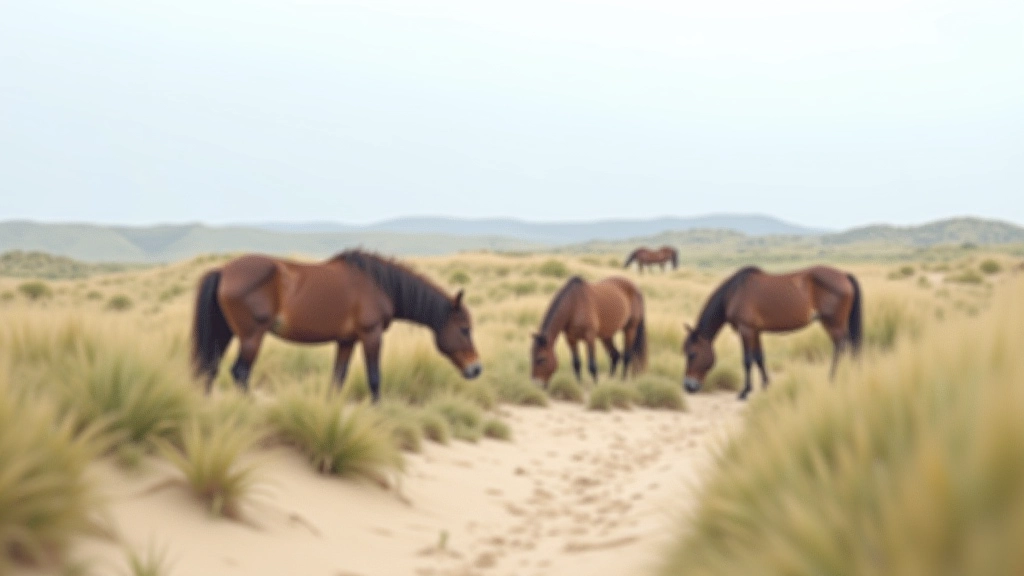
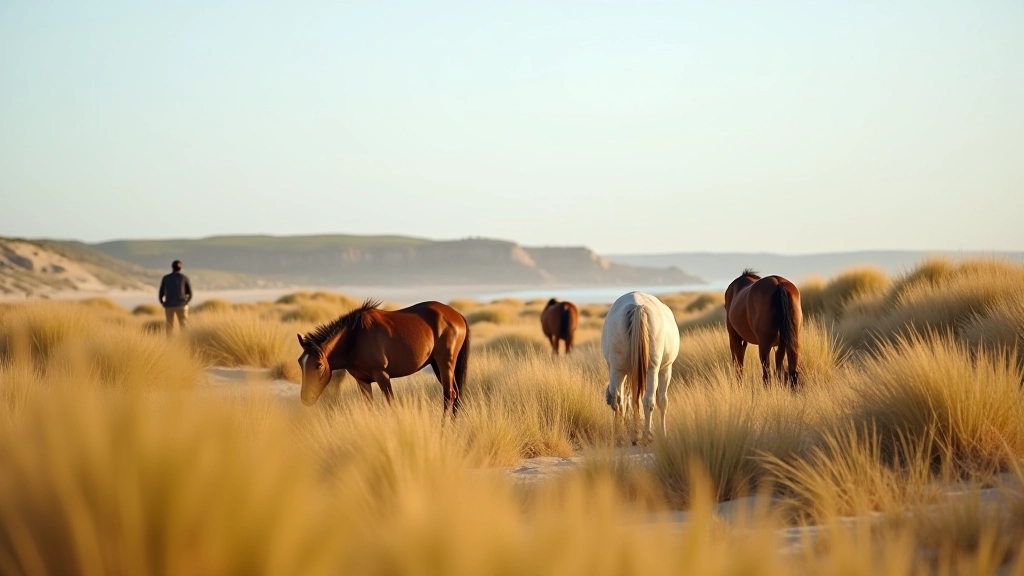
The horses here have adapted to life in the coastal dunes over generations. They've learned which plants to eat during different seasons, where to find shelter from the wind, and how to navigate the sandy terrain. What looks like random wandering is actually purposeful movement driven by hunger, thirst, and social bonds. We've compiled everything you need to know to become a thoughtful observer.
Daily Patterns and Rhythms
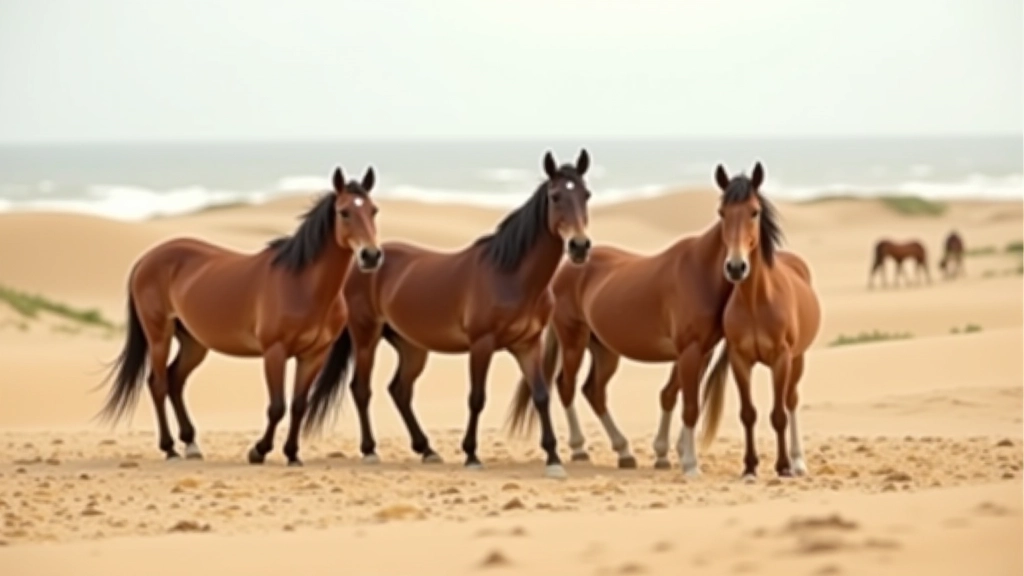
Horses aren't random in their movements. They follow predictable patterns that shift with the seasons and weather. In the early morning, you'll often find them grazing in the open areas of the dunes where fresh vegetation grows. As the sun climbs higher and gets warmer, they'll move toward shaded areas or water sources. Late afternoon brings another feeding session before they settle into evening resting spots.
During hot summer days, they'll seek shelter under the few trees available or stand in groups to create shade for each other. Winter brings different behavior — shorter grazing periods with longer rest times. They're conserving energy because food is scarcer and conditions are harsher. If you visit regularly, you'll start to predict where you'll find specific horses at different times of day. This predictability isn't luck — it's the result of efficient resource management.
Best Observation Times
- Early morning (6-9am): Peak grazing activity
- Late afternoon (4-6pm): Secondary feeding period
- Overcast days: More activity throughout the day
- Avoid midday (11am-3pm): Horses resting in shade
Herd Structure and Family Bonds
The horses you see aren't a random collection of individuals. They're organized into family units that stay together year-round. A typical family includes a stallion (the father), several mares (mothers and other females), and their offspring from recent years. These groups are incredibly stable — you might see the exact same family configuration across multiple visits months apart.
Watch how they interact and you'll notice something important: the mares actually run the show. They decide when to move, where to graze, and when to rest. The stallion's main job is protecting the family from danger and from other stallions. Young horses stay with their mothers until they're around 2-3 years old, then either join bachelor groups (if male) or find new families (if female). It's a system that's worked for millennia.
Bachelor groups are interesting to observe too. These are loose collections of young stallions that haven't yet established their own families. They're more playful and energetic than family groups, and they'll occasionally challenge established stallions. Don't be alarmed if you see them rearing or chasing each other — it's normal competition and bonding behavior, not aggression.
How Horses Communicate
Horses are surprisingly expressive. They communicate through sounds, body language, and touch. A soft nicker is a greeting between familiar horses. Snorting signals alarm or caution. Squealing usually means aggression or extreme excitement. Neighing carries over long distances — you might hear a horse calling to its family from far away across the dunes.
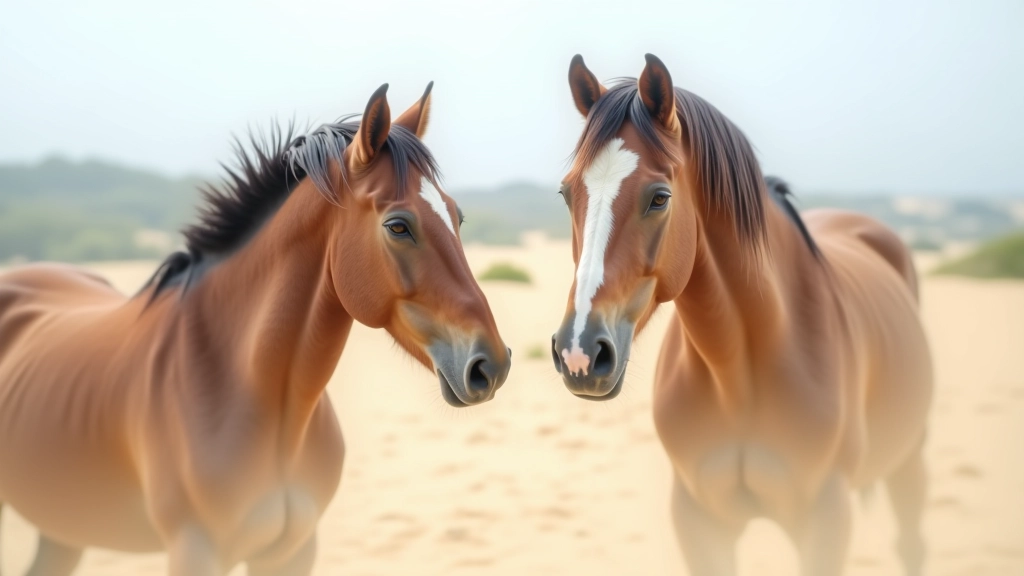
Their ears tell you a lot about their mood and attention. Forward-facing ears mean they're interested in something. Pinned back ears indicate frustration or aggression. Ears swiveling in different directions show they're monitoring multiple things at once. Tail position matters too — a raised tail can signal excitement or alarm, while a relaxed tail shows contentment. Body posture combines with these signals to create complex messages.
Touch is crucial for bonding. You'll see horses grooming each other, which strengthens social bonds and removes parasites and loose hair. Mothers and foals have constant physical contact, especially when young. These behaviors aren't just practical — they're how horses build and maintain relationships within their family groups.
Safe Observation Distances and Ethics
The most important rule: keep your distance. Wild horses in nature reserves are protected animals, not pets or photo props. A safe distance is at least 50 meters (roughly 165 feet) — far enough that the horses don't show stress behaviors. Signs that you're too close include ears pinned back, tail tucked, or the horse moving away from you. If a horse is watching you intently while moving away, that's your signal to back up.
Never run toward horses, even if they seem calm. Never make sudden loud noises. Never attempt to touch them or hand-feed them — this creates dependency and dangerous behavior. Photography is fine, but use a telephoto lens if you have one. Your goal should be to observe without affecting their natural behavior. The best experiences come when horses barely notice you're there.
Golden Rules for Respectful Observation
- Maintain 50+ meters distance at all times
- Move slowly and predictably
- Keep noise levels low and avoid sudden sounds
- Never feed or attempt to touch horses
- Observe from downwind if possible (they're less alarmed)
- If a horse approaches, calmly back away
- Respect rope barriers and designated paths
- Photograph with telephoto lens, not by approaching
Seasonal Behavior Changes
Horses aren't the same throughout the year. Their behavior shifts dramatically with seasons because their environment changes dramatically.
Spring (March-May)
Foals are born, bringing renewed energy to family groups. You'll see mothers with newborns, protective and attentive. Mares are nursing, so they graze longer to maintain energy. New vegetation is abundant, so horses spread out across the dunes. This is the most social season — lots of movement and interaction.
Summer (June-August)
Heat brings predictable patterns. Early morning and late evening are peak activity times. Midday sees horses in shade or standing together creating cooling airflow. Foals are older, more independent, and playful. Vegetation is still abundant but can get dry toward August, so water sources become more important gathering spots.
Fall (September-November)
Breeding season brings stallion competition and mating behaviors. You might see more aggressive interactions as stallions compete. Horses eat more as they prepare for winter — grazing intensity increases. Vegetation dies back, so they have to work harder to find good food sources. Family groups stay closer together.
Winter (December-February)
Food scarcity makes behavior more urgent. Grazing periods are longer but energy is spent conserving warmth. Horses grow thick winter coats and huddle together. Movement is more deliberate — less running and playing, more purposeful foraging. This is the toughest season, and horses that aren't healthy may struggle.
Important Note
This guide is educational and designed to help you understand and respectfully observe wild horses in their natural habitat. While we've provided detailed behavioral information, every horse and situation is unique. Always follow the specific guidelines posted by Pape Nature Reserve staff, maintain safe distances, and prioritize the well-being of the animals. If you're unsure about horse behavior or feel unsafe, ask a reserve guide for assistance. Your respectful observation helps protect these animals for future generations.
Becoming a Thoughtful Observer
Wild horses reward patience and respect. When you understand their behavior, you're not just a visitor passing through — you're witnessing a complex social system that's been operating successfully for generations. The more you know about what they're actually doing, the more meaningful your visits become. You'll recognize individual horses, predict where you'll find them, and understand why they're doing what they're doing.
The next time you visit Pape Nature Reserve, bring this knowledge with you. Watch the mares leading their families to water. Notice the bachelor stallions testing their strength against each other. See how communication happens through ears and posture and touch. Keep your distance, respect their space, and observe with genuine curiosity. That's when the real magic happens — when you're watching something wild and real, doing exactly what it's meant to do.
More from This Series